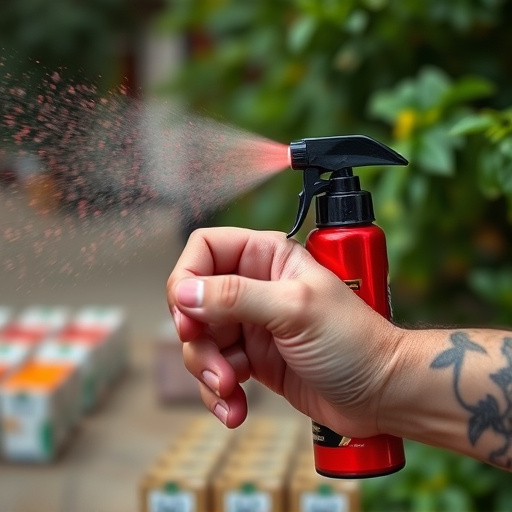
Selecting the right pepper spray for indoor (better visibility, faster dispersal) vs outdoor (longer reach, better persistence) riot control requires understanding formulations and environmental factors. Indoor settings benefit from lower capsaicin concentrations to minimize irritation, while outdoor sprays use higher levels for effective crowd control. Proper training and targeted deployment are crucial for safe and effective use in each environment.
“Discover the multifaceted world of inflammatory spray, specifically pepper spray, as a critical tool for riot control. This comprehensive guide delves into its various applications, exploring both indoor and outdoor use cases. We dissect the nuances of pepper spray deployment, highlighting effectiveness, safety, and strategic considerations.
From understanding its chemical composition to comparing formulations tailored for specific environments, this article offers valuable insights. Uncover why it’s essential to differentiate between indoor and outdoor pepper sprays for optimal results, ensuring public safety and order.”
- Understanding Pepper Spray: A Comprehensive Overview
- Indoor Use Cases: When and Why Pepper Spray is Necessary
- Outdoor Applications: Effectiveness and Safety Considerations
- Comparing Formulations: Indoor vs. Outdoor Pepper Sprays
- Effective Deployment Strategies for Optimal Results
Understanding Pepper Spray: A Comprehensive Overview
Pepper spray, a powerful tool in riot control and crowd management, has evolved over the years to cater to diverse scenarios. When it comes to understanding pepper spray, knowing the distinction between its use indoors versus outdoors is paramount. Pepper spray designed for indoor environments typically features a finer mist or aerosol formulation, allowing for better visibility and faster dispersal in enclosed spaces. This ensures that individuals within close quarters can effectively be de-escalated or controlled without causing extensive damage to indoor facilities.
In contrast, outdoor pepper spray formulations are often more robust, with coarser droplets designed to penetrate dense crowds and withstand wind and weather conditions. The difference lies in its range and duration of effect—outdoor sprays may have a longer reach and better persistence due to their ability to cut through air currents, whereas indoor sprays focus on immediate, controlled deployment for maximum impact within confined areas. This nuanced understanding is key to selecting the appropriate pepper spray solution for specific riot control scenarios.
Indoor Use Cases: When and Why Pepper Spray is Necessary
In indoor settings, pepper spray serves a unique purpose in riot control and security measures. Unlike its outdoor counterpart, pepper spray for indoor use cases is often more concentrated and designed to create a controlled environment impact. Situations such as prison riots, high-security facilities, or active shooter scenarios require quick and powerful deterrents. Indoor spaces present challenges like limited ventilation, which can amplify the effects of pepper spray, making it an even more effective tool.
The necessity arises when facing individuals who pose immediate threats, where conventional de-escalation tactics may not be sufficient. Pepper spray indoors allows for swift intervention, neutralizing the danger while minimizing collateral damage and ensuring the safety of occupants. Its strategic use can facilitate a faster resolution to critical situations, making it an indispensable asset in modern security protocols.
Outdoor Applications: Effectiveness and Safety Considerations
When considering the use of inflammatory spray for riot control, understanding its effectiveness and safety in outdoor applications is paramount. Unlike indoor settings where pepper spray can quickly dissipate due to ventilation, outdoors it faces varied weather conditions that impact its range and potency. Rain, wind, and sunlight can all dilute or disperse the spray, potentially reducing its impact on controlling rioters.
Safety considerations also come into play when deploying inflammatory spray outdoors. The wind direction plays a crucial role in determining where the spray will land, raising concerns about unintended harm to bystanders or public safety. Moreover, outdoor environments often involve larger areas to cover, requiring proper training for officers to ensure accurate and safe usage. In contrast, pepper spray indoor vs outdoor applications presents distinct challenges, with each demanding tailored strategies for optimal effectiveness and minimal risk.
Comparing Formulations: Indoor vs. Outdoor Pepper Sprays
When considering pepper spray for riot control, understanding the nuances between formulations designed for indoor and outdoor environments is key. Pepper sprays intended for outdoor use are often formulated with a focus on high potency and quick-dispersing agents to effectively disrupt large crowds in open spaces. These outdoor varieties typically contain a higher concentration of capsaicin, the active ingredient responsible for the burning sensation, allowing for a longer range and quicker knockdown effect.
In contrast, indoor pepper sprays prioritize a balance between potency and safety. Formulations designed for enclosed spaces usually have lower capsaicin levels to mitigate risks associated with respiratory irritation and excessive damage in confined areas. Additionally, these indoor pepper sprays often incorporate ingredients that reduce odor and provide better visibility, ensuring the safety of both officers and bystanders without causing prolonged discomfort or impaired vision.
Effective Deployment Strategies for Optimal Results
The effectiveness of inflammatory spray, often referred to as pepper spray, in riot control depends heavily on strategic deployment. When used outdoors, its potency is enhanced by wind patterns that carry the spray away from friendly forces, towards opposition lines, ensuring maximum impact on disruptors without endangering bystanders or law enforcement personnel. This makes it an ideal tool for open spaces like streets and parks during protests and civil unrest.
In contrast, indoor environments pose unique challenges for pepper spray deployment. The confined space and lack of wind can lead to rapid concentration of the spray, posing a risk to nearby officers and potentially exacerbating the situation by causing panic. For indoor applications, targeted use in well-ventilated areas or strategic deployment through nozzles or vents is recommended. Training personnel on proper usage and de-escalation techniques is crucial for optimal results, regardless of whether the setting is indoors or outdoors.
Pepper spray, a versatile tool for riot control, presents distinct applications depending on whether it’s used indoors or outdoors. While pepper spray indoor use cases are often necessary for law enforcement to manage crowds in confined spaces, outdoor applications require careful consideration of effectiveness and safety. Comparing formulations specifically designed for each environment is key to achieving optimal results. By understanding the nuances of pepper spray deployment strategies, both indoor and outdoor, authorities can ensure its responsible and effective use in various scenarios.