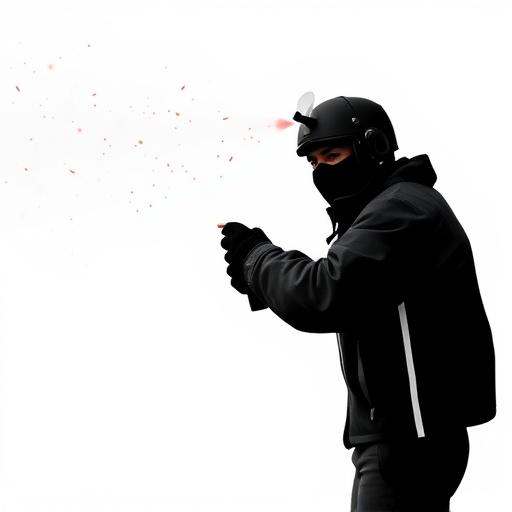
Pepper spray formulations differ for indoor and outdoor uses. Outdoor sprays resist wind and moisture, maintaining potency in open spaces like events or demonstrations. Indoor versions focus on strong irritants to restrict movement without spreading in enclosed areas. Selection based on tactical needs ensures effectiveness while minimizing health risks and legal issues. Understanding these variations is key for responsible deployment in diverse settings.
“Discover the power of pepper spray, a versatile tool with diverse applications. This article delves into the intricate world of police-grade inflammatory pepper spray compounds, exploring their composition and variations. We dissect the nuances of using pepper spray indoors vs. outdoors, highlighting effective use cases. Furthermore, safety considerations and regulatory aspects are compared to ensure responsible deployment. Understanding these key factors is essential for optimal utilization in various settings.”
- Understanding Pepper Spray Composition and Variations
- Indoor vs Outdoor Applications: Effective Use Cases
- Safety Considerations and Regulatory Aspects Compared
Understanding Pepper Spray Composition and Variations
Pepper spray, a widely used non-lethal law enforcement tool, is composed of capsaicin, the active ingredient derived from chili peppers. Understanding its composition and variations is crucial when considering its effectiveness in different settings, especially when differentiating between Pepper Spray Indoor Vs Outdoor applications.
The formulation can vary significantly depending on intended use. For outdoor deployments, pepper spray is often formulated to withstand higher wind speeds and moisture levels, ensuring its potency remains effective during pursuit or crowd control scenarios. In contrast, indoor formulations are tailored for controlled environments with lower air movement, focusing more on delivering a strong irritant to restrict movement without the risk of exposure spreading to adjacent areas. These variations highlight the importance of choosing the right pepper spray compound based on specific tactical needs, whether it’s for maintaining order in public spaces or managing situations within confined indoor locations.
Indoor vs Outdoor Applications: Effective Use Cases
Pepper spray, a potent irritant designed to disrupt vision and movement, serves different purposes depending on its application—indoor or outdoor. In enclosed spaces, such as buildings, schools, or warehouses, pepper spray can be incredibly effective for crowd control and self-defense. Its rapid effects help to de-escalate tense situations, allowing for easier containment of agitated individuals. The spray’s ability to fill a room with an irritant that significantly impairs vision and breathing makes it a valuable tool for law enforcement in close-quarters indoor environments.
In contrast, outdoor applications require careful consideration due to the wind and weather conditions that can affect the spray’s range and effectiveness. However, pepper spray remains crucial for open-air events, demonstrations, or public safety scenarios. Outdoor use cases often involve dispersing large crowds or managing aggressive behavior in public spaces where visibility is good. The outdoor environment also allows for better control over factors like wind direction, which can aid in aiming the spray directly at targets while minimizing collateral damage and exposure to bystanders.
Safety Considerations and Regulatory Aspects Compared
When comparing pepper spray for indoor versus outdoor use, safety considerations and regulatory aspects play a crucial role in determining the appropriate compound. Indoor environments present unique challenges due to confined spaces and potential for rapid concentration of irritants. Thus, lower concentrations of active ingredients are often recommended for indoor use to minimize health risks without compromising effectiveness. Regulatory bodies typically set guidelines for maximum allowed concentrations and acceptable levels of toxicity, ensuring consumer safety within enclosed areas.
In contrast, outdoor applications demand more robust formulations capable of dispersing effectively over larger areas. Higher pepper spray concentrations may be suitable outdoors where ventilation is abundant, reducing the risk of respiratory distress or other adverse effects. However, it’s essential to adhere to local regulations governing the use and possession of such substances to avoid legal repercussions and maintain public safety. Understanding these distinctions between indoor and outdoor pepper spray compound considerations is vital for responsible deployment in various settings.
Pepper spray, a powerful tool for law enforcement and self-defense, has seen its composition and applications evolve over time. Understanding the nuances between various compounds, such as the grade of inflammatory agents like capsaicin, is crucial when considering its effective use cases, whether indoors or outdoors. In terms of safety and regulation, it’s essential to stay informed about the evolving standards governing these powerful substances. By weighing the benefits and precautions, users can ensure responsible deployment for optimal effectiveness in diverse environments, from crowded indoor spaces to open-air venues.