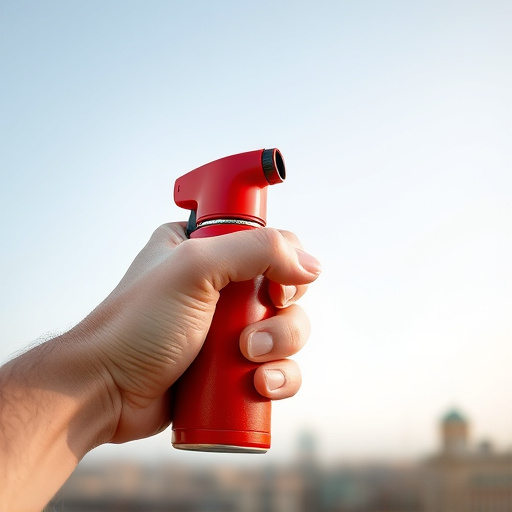
Choosing between pepper spray for indoor and outdoor use depends on key differences: indoor sprays focus on minimal irritation and non-flammability, while outdoor options are weatherproof and potent enough for crowd control. Consideration should be given to range, potency, ease of use, and certifications. Understanding these distinctions is vital for effective personal protection in both settings, ensuring safety without compromising performance.
“Personal protection sprays, particularly pepper spray, have become essential tools for self-defense in various settings. This article explores the nuances of pepper spray, focusing on its applications in both indoor and outdoor environments. We’ll delve into key factors that determine effectiveness, safety measures to consider, and training strategies for optimal use. Understanding the differences between pepper spray for indoor and outdoor use is crucial for responsible deployment and maximum protection.”
- Understanding Pepper Spray: Indoor vs Outdoor Applications
- Factors to Consider for Effective Personal Protection Spray
- Safety Measures and Training: Optimizing Pepper Spray Use
Understanding Pepper Spray: Indoor vs Outdoor Applications
Pepper spray, a potent inflammatory agent personal protection spray, serves as a powerful deterrent in various scenarios. When it comes to applications, understanding the difference between pepper spray used indoors versus outdoors is essential. Indoor settings necessitate a formulation that effectively disperses and lingers without causing excessive irritation or damage to enclosed spaces. These formulations often prioritize ease of use and safety, ensuring minimal impact on bystanders and surfaces.
In contrast, outdoor applications demand a more robust spray designed to withstand environmental factors like wind, sunlight, and varying temperatures. Outdoor pepper spray formulations are typically oil-based, enabling better penetration through clothing and protective gear while maintaining its effectiveness over longer distances. This adaptability is crucial for scenarios ranging from crowd control at public events to personal safety in remote outdoor areas.
Factors to Consider for Effective Personal Protection Spray
When choosing a personal protection spray, several key factors come into play, especially when considering its effectiveness in different scenarios. One significant distinction is understanding the difference between pepper spray designed for indoor and outdoor use. Indoor pepper spray is typically formulated to be non-flammable and less likely to cause secondary fires, making it suitable for enclosed spaces where flames could be a hazard. Conversely, outdoor sprays might consider weather-resistant properties and a broader spectrum of active ingredients to cope with varied environmental conditions.
Additionally, the range and potency of the spray are critical considerations. Longer reach ensures better distance from potential threats, while higher potency provides a more powerful deterrent. Other aspects include ease of use, such as having a reliable trigger mechanism, and the spray’s residual effect, which can prolong protection against follow-up attacks. It’s also essential to check for certifications and testing that validate the product’s performance, ensuring you’re prepared for unexpected situations whether indoors or outdoors.
Safety Measures and Training: Optimizing Pepper Spray Use
The proper use of a personal protection spray, like pepper spray, requires a blend of knowledge and caution, especially when considering its application in different settings. Training is paramount to ensure users understand the safety measures involved, particularly the distinction between using pepper spray indoors versus outdoors. In enclosed spaces, awareness of proper ventilation becomes critical to minimize residual effects, as poor air quality can exacerbate health risks for bystanders or individuals with respiratory conditions.
Outdoor use presents a different set of challenges and considerations. Weather conditions such as wind direction and humidity levels can impact the spray’s range and effectiveness while also potentially diluting its potency more quickly. Trained users learn to account for these variables, ensuring optimal deployment strategies for maximum protection without inadvertently causing environmental or public harm.
When it comes to choosing and using a personal protection spray, understanding its applications in both indoor and outdoor settings is key. While pepper spray is an effective deterrent for various threats, factors like range, wind conditions, and target areas significantly impact its usability. For indoor environments, consider lower-strength formulas suitable for enclosed spaces, while stronger concentrations are better suited for outdoor use where greater reach and persistence are required. Safety measures and proper training ensure responsible usage, emphasizing the importance of understanding both the spray’s capabilities and limitations in different scenarios.